


Table of Contents
Introduction
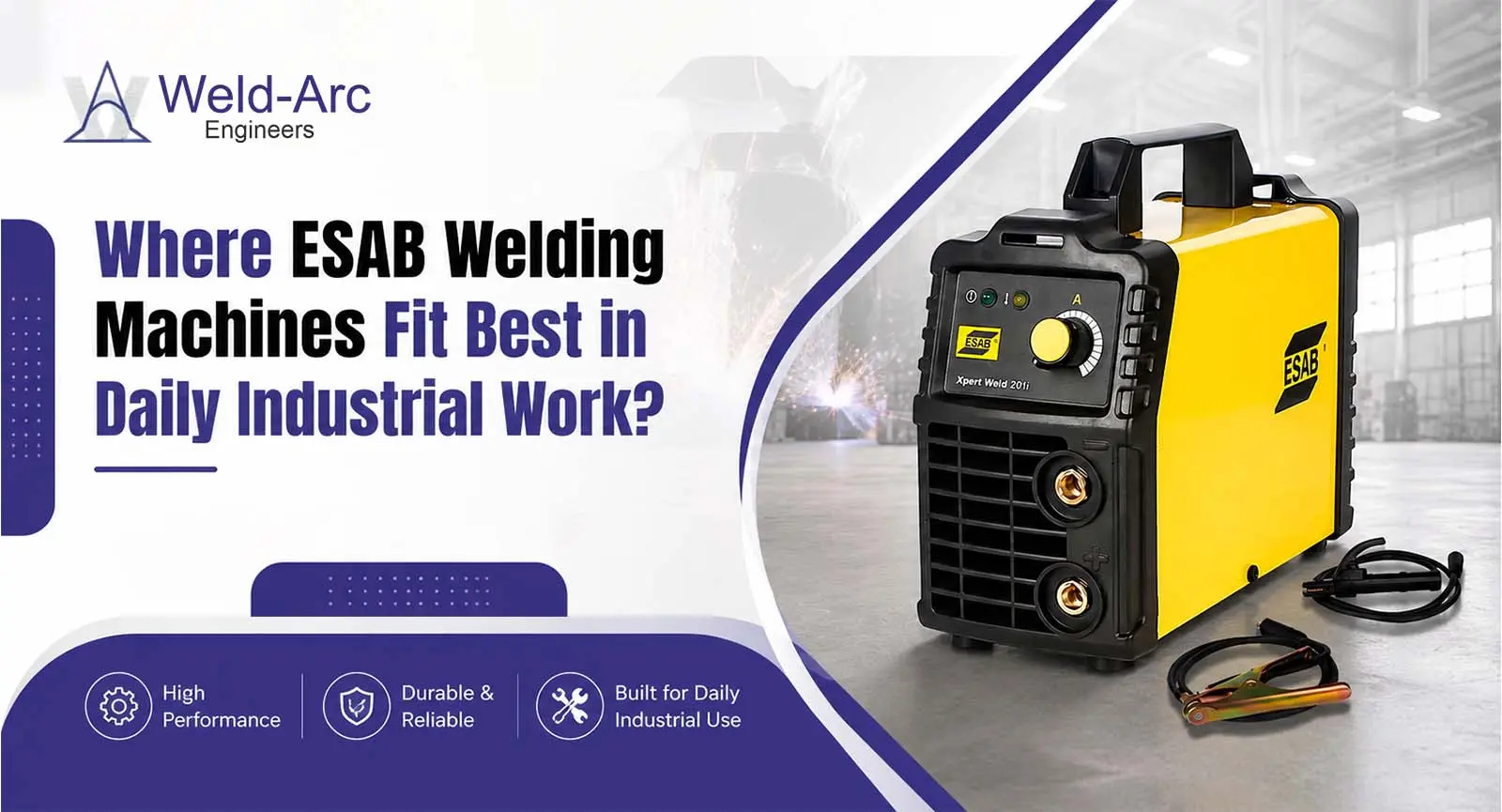
Spend a day in any fabrication shop or on a construction site, and you’ll probably see an ESAB welding machine working somewhere. Welding crews don’t have time to constantly monitor their gear. They need a machine that fires up, holds a clean arc, and doesn’t quit halfway through a shift. That’s the whole reason ESAB has stuck around this long. A one-person repair shop and a full-scale industrial plant have almost nothing in common, except that both need gear they can trust every single day. So, where does ESAB actually earn its place in daily industrial work? Let’s break it down properly, because “good welding machine” means something different depending on who’s using it and what they’re building.
What Makes ESAB Worth Talking About?
Before jumping into use cases, it’s worth knowing a bit of background. The ESAB welding machine isn’t a new name. The company’s founder is credited with patenting the first coated welding electrode all the way back in 1904. Over a hundred years later, that same brand is still showing up on work sites, and that kind of staying power isn’t an accident.
ESAB’s equipment covers MIG, TIG, Stick, and multi-process welding. Broadly, it splits into two buckets:
- Light industrial machines– portable, everyday equipment, usually handling work under 300 amps.
- Heavy industrial machines– built for high-output, high-amperage work at 300 amps and beyond.
This split alone tells you a lot. A small repair shop and a shipyard aren’t shopping for the same machine, and the welding machine seems to get that.
Where These ESAB Welding Machines Actually Fit Day-to-Day?
General Fabrication and Repair Work
Some shops never do the same work twice. Stainless one day, aluminium the next, maybe a quick stick repair after lunch. In shops like this, flexibility beats raw power every time. ESAB’s multi-process machines, think Rebel and Rogue, let one operator move between MIG, TIG, and Stick without switching machines or losing floor space.
For a lot of growing fabrication businesses, this is the first ESAB welding machine they buy, mainly because it doesn’t box them into just one process.
Construction Sites and Field Work
Work sites are messy. Dust, shaky power, and crews moving from one location to another every few days – none of it is idyllic. ESAB builds its engine-driven welders and rugged housings with exactly that chaos in mind.
Some models even run on battery power, which matters a lot when there’s no reliable outlet nearby. For crews hopping between sites all week, that kind of portability saves time.
Heavy Fabrication and High-Volume Production
Once you’re past the 300-amp mark, everything changes. Shipbuilding, pipeline work, and petrochemical projects need machines that can run continuously without dropping performance. ESAB’s heavy industrial range, including its high-amperage, cloud-connected power sources, is built for exactly that kind of grind.
For plant managers, uptime is what actually matters here, not specs on paper. ESAB backs its heavy-duty machines with application engineering support, so the setup gets matched to the production line instead of just being dropped off and left.
Wind Energy and Large Infrastructure Projects
Wind energy has grown fast, and welding standards in this space are strict, both in terms of precision and volume. ESAB welding machines, filler metals, and equipment show up widely across U.S. wind energy work, which says something about how well the brand handles large, spec-heavy projects.
Precision TIG Work
Not every work is about speed. Sometimes the finish matters more than anything else. ESAB’s TIG welders are made for thin materials, stainless steel, and aluminum, work where the weld has to look right, not just hold. That makes them a solid pick for detailed repair or custom fabrication work where quality checks are tight.
Why B2B Buyers Keep Going Back to ESAB Welding Machine?
Ask any procurement manager how they pick welding equipment, and it usually comes down to three things: Will it survive daily use? Can the team learn it fast? And if something breaks, will support actually show up?
Here’s what people tend to bring up about ESAB specifically:
- Inverter technology that keeps the arc steady across different materials and thicknesses
- Rugged builds that hold up in rough, real-world conditions
- A wide enough range that businesses aren’t stuck buying more machines than they need
- Application engineering support for larger facilities, fine-tuning their whole welding setup
None of this means every business needs the biggest heavy industrial machine on the shelf. The value is in matching the right ESAB welding machine to the actual workload, not just buying the most powerful one available.
Picking the Right Machine for Your Operation
There’s no single best ESAB machine. It depends completely on what your team does every day. A crew bouncing between working sites needs something totally different from a shipyard running welds around the clock. Before buying anything, it’s worth figuring out:
- The amperage your work typically need
- How often does your team switch between welding processes
- How portable does the equipment really need to be
- What kind of uptime can your facility afford to lose
Getting clear on these upfront saves money later, and honestly, a lot of headaches too.
Conclusion
The right ESAB Welding Machine should feel dependable, practical, and easy to fit into the work your team does every day in daily industrial work. Fabricating, repairing, or even just welding on the shop floor. The right choice is the one that works for the work and not a lot of hassle. Weld-Arc Engineers is a name to remember while planning a setup that supports steady performance and long-term value for buyers looking for trusted industrial welding solutions.
FAQs
Can one ESAB welding machine do MIG, TIG, and Stick welding?
Yes. Many ESAB models, especially in the Rebel and Rogue line, allow operators to switch between MIG, TIG, and Stick welding all on the same machine.
How good are ESAB welders for outdoor/field use?
A lot of them are. ESAB manufactures tough, impact-resistant machines for construction and field work. Both versions are available, engine-driven and battery-powered.
What is the difference between light and heavy industrial equipment from the ESAB welding machine?
Why do B2B buyers prefer ESAB over other brands?

Weld-Arc Engineers
Weld‑Arc Engineers is a trusted supplier and distributor of industrial products for sectors like oil & gas, pharmaceuticals, water treatment, and more. The company offers a wide range of solutions, including valves, gaskets, pumps, and welding equipment from leading brands like Crane Saunders and ESAB, with a strong focus on quality and customer service.